
Before the viewing
Prepare the household brief, budget questions and a comparable record for each home.
Buyer preparation ↗ · Viewing record ↗
DLG GROUP / REAL ESTATE / BUYERS & INVESTORS
Use these guides to prepare for a viewing, compare property types, and estimate what ownership could cost.
Reading routes updated 20 November 2026 · U.S. educational preparation
Use four connected guides to move from the property’s records to your own budget. This route starts with Massachusetts records; the cost examples use hypothetical inputs.
Match the municipality and unit, then distinguish a full-year tax amount from a quarterly bill.
Start with the property tax guideTurn the budget, notices and reserve information into questions to resolve.
Review the HOA checklistChange dues and buyer-paid assessments to see what can change a two-condo comparison.
Try the first-year cash exampleEnter price, financing, annual tax, insurance and ongoing costs in the full calculator.
Open the mortgage and home cost calculatorFor a home elsewhere, use its own local records. Keep Northern Virginia and Atlanta-area tax routes separate from Boston. Lenders and relevant professionals resolve property-specific questions.
BUILD YOUR DECISION FILE
Prepare the household brief, budget questions and a comparable record for each home.
Buyer preparation ↗ · Viewing record ↗Read representation, comparable evidence and the financial assumptions with the appropriate professionals.
Representation & fees ↗ · Offers & appraisal ↗Separate the building, shared responsibilities, approvals and unresolved condition questions.
Roof evidence ↗ · Shared responsibilities ↗Keep the rent evidence, financing, operating assumptions and downside cases visible.
Investment scenarios ↗ · Ownership budget ↗THE PROPERTY PERSPECTIVE / 24 SECONDS
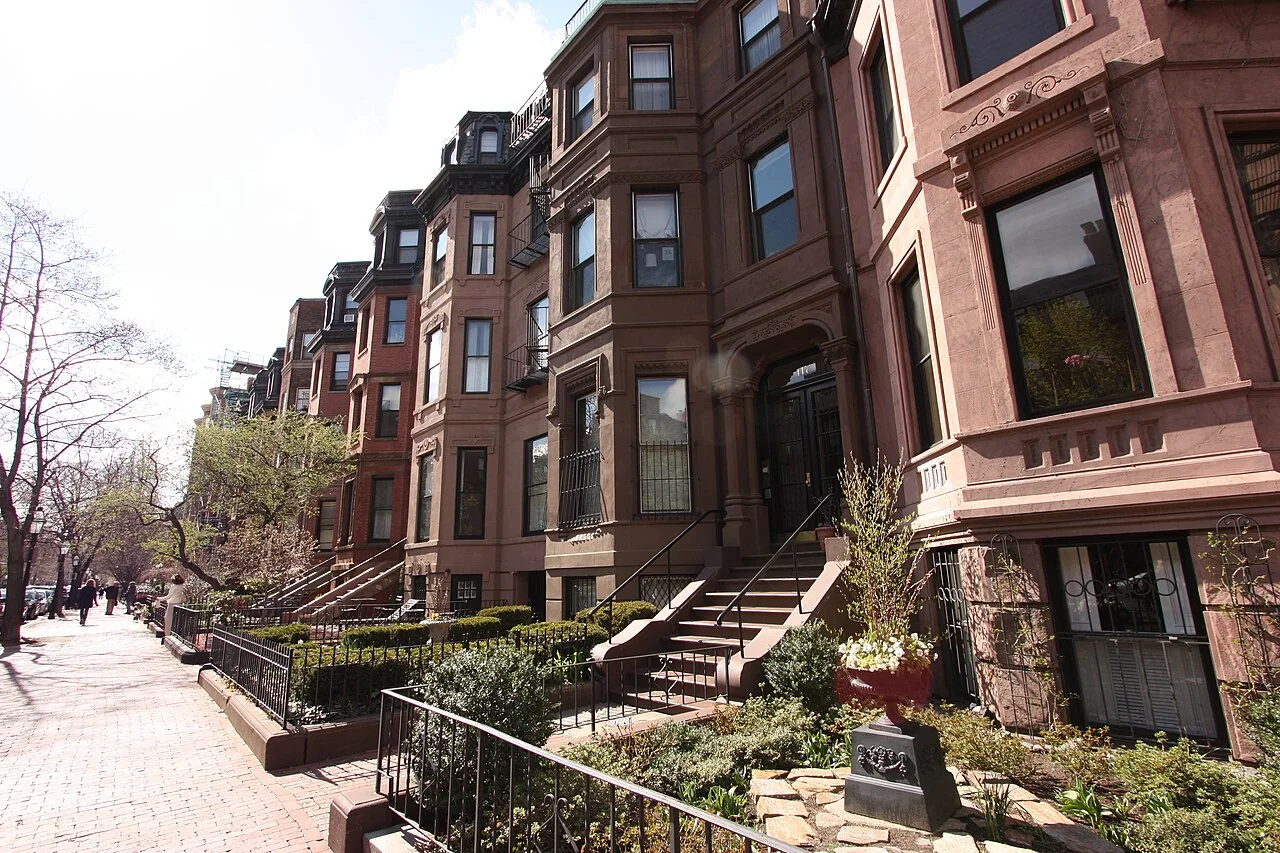
Cryptic C62, Boston (2011) and Beyond My Ken, Alexandria (2021). Edited photographic adaptation: CC BY-SA 4.0; DLG trademarks reserved separately.
A property is more than its asking price.
Two attractive homes can ask very different things of an owner. Use the same questions for each property, then record what is documented, what is an estimate and what still needs an answer.
Start with everyday use: your expected stay, access needs, maintenance capacity and the changes the home would need. At a viewing, record questions about roof condition, water staining, heating and cooling, windows and previous alterations. Photographs help locate a question; they do not establish the cause of a defect.
Ask what an independent inspection covers, what it excludes and whether specialist follow-up is needed. An appraisal and a physical-condition inspection answer different questions.
Use the lender's Loan Estimate to review the loan terms, payment components and cash to close. Check which costs are outside the quoted monthly payment.
Build a separate operating scenario. What supports the proposed rent: an advertisement, comparable executed leases or a market index? Record the date and property match. Include vacancy, management, maintenance, insurance, taxes, association costs and financing where applicable.
Then ask what happens if rent is lower, letting takes longer or repairs cost more. A scenario shows assumptions; it does not establish a property's achievable rent or return. Confirm intended-use, financing, association and local rental requirements with the appropriate professionals.
Remodeled bathroom? See which waterproofing records to ask for.
Touring a home with a deck? Follow the water and know what to ask for.
Viewing note: “The kitchen looks newly renovated.”
Useful follow-up: “What work was completed, when, by whom, and which invoices, warranties and applicable approval records are available?”
Remodeled kitchen? Open the home showing checklist.
A finish is visible. The scope behind it needs evidence.
Buying a home? Check flood risk beyond the map.
Touring a home on a hot day? Check which rooms warm up first.
Source notes checked 19 October 2026: CFPB: independent home inspection · CFPB: Loan Estimate explainer. The property questions and rental-scenario checklist are DLG editorial preparation, not a lender offer, inspection or investment forecast.
Work through quantities, interfaces, operating limits and the evidence to request in a proposal.
Open the home-types and ownership guide to distinguish building form, ownership, construction and style, then map maintenance, approval and document responsibilities.
U.S. property tax map: Boston, Northern Virginia and Atlanta
Land & Build: acquisition, local checks, financing and development budget
