Massachusetts
Use the state assessment for regional context. At the home, compare the top floor with a lower room; ask what is known about attic insulation and summer comfort.
Massachusetts climate assessment
DLG Insights / Summer comfort
If one room gets hot late in the day, start there. Look at what the sun reaches, compare it with another room, and bring your observations to the contractor before sizing new equipment.
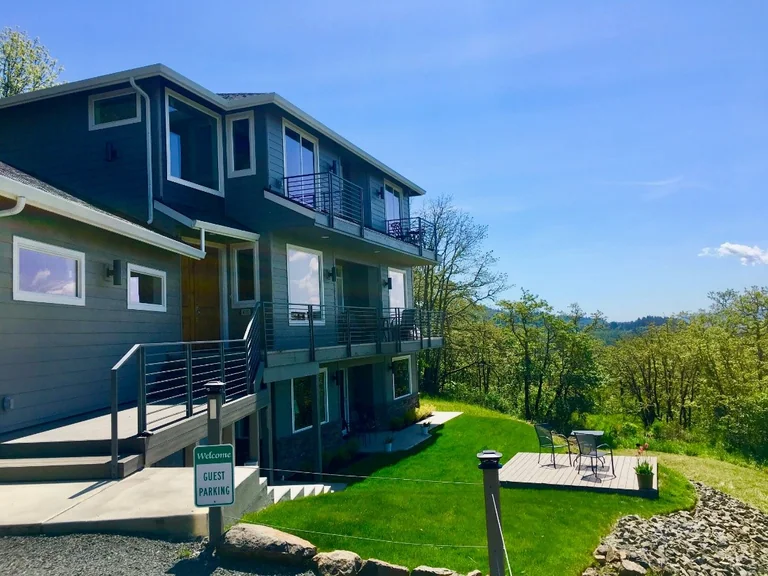
Start with the afternoon sun. West-facing glass can admit direct late-day sun. Check the actual window orientation and whether exterior shade covers the glass at the time the room heats up. A shallow overhang that helps with high-angle sun may miss low-angle afternoon sun.
Compare options before choosing one. An exterior screen, awning or suitable tree shade can intercept sun before it reaches the glass. Interior shades may help when exterior changes are impractical. If the top floor heats up across several rooms, ask about attic insulation, air leakage and the roof as part of an assessment.
See DOE on daylighting and window orientation and EPA on cool roofs and climate trade-offs.
Example: At 4 p.m., an upstairs bedroom is 82°F and the shaded living room is 76°F. The six-degree difference tells you where to start looking. It does not tell you how much cooling capacity to buy.
Use the state assessment for regional context. At the home, compare the top floor with a lower room; ask what is known about attic insulation and summer comfort.
Massachusetts climate assessmentUse the county’s resilience information to understand local heat exposure. At the home, check where afternoon shade falls and which rooms remain warm in the evening.
Resilient FairfaxUse the regional plan for context on shade and tree canopy. On site, record shade at the windows and note indoor humidity separately.
Atlanta Regional Commission climate action planThese sources cover different geographies. Use them alongside room observations, not to infer the comfort of a particular address.
Bring your notes and ask which issue the proposed work solves: solar gain, heat through the roof or walls, poor air distribution, moisture, or a combination. Before buying equipment, ask for a room-by-room load calculation and a check of the existing ducts or other distribution system where applicable. Have the calculation reflect planned building improvements.
Read the DLG HVAC guide and DOE Home Cooling 101. This field check helps you describe the problem; it is not an equipment sizing method.