Asking price
The seller’s proposed price is a starting point for discussion. It is not evidence that a lender will support that amount or that another buyer has paid it.

BUYER FOUNDATIONS / PRICE · EVIDENCE · CONTRACT
Separate a market comparison, an independent value opinion and your own cash limit before deciding what to offer.
Reviewed 26 October 2026 · Educational purchase guide. No current listing valuation, lending decision or contract drafting service.
The seller’s proposed price is a starting point for discussion. It is not evidence that a lender will support that amount or that another buyer has paid it.
A comparative market analysis assembles relevant sales and market competition to inform a pricing discussion. NAR’s guide describes sold, pending and active properties in that research. Ask for the evidence date, selection logic and limitations. [VAL353-2]
An independent opinion of value addresses a defined property and valuation assignment. CFPB explains that a lender may obtain an appraisal or another valuation method. Ask which method applies and request the report. [VAL353-1]
A home inspection investigates physical condition; an appraisal answers a valuation question. One does not replace the other. Repairs can also affect a loan programme’s property requirements. [VAL353-9] A valuation is not confirmation that a conversion, deck, basement bedroom or extra dwelling is permitted; check the relevant records and specialist review through the linked buyer-preparation guide.
Fannie Mae’s guide calls for physical and legal characteristics and the relevant market area to be considered. Site, finished area, rooms, style, condition and external factors can matter. Proximity alone does not establish comparability. Its guide concerns its own appraisal assignments; this reading is a question framework for your professional, not an instruction to perform an appraisal. [VAL353-3]
Swipe the table horizontally on smaller screens.
| Evidence | Question | Do not infer |
|---|---|---|
| Status and date | Is this a closed sale, pending contract or active ask? When did the transaction occur and when was the record checked? | An asking price is not a closed price; a pending price may be unavailable. |
| Ownership and use | Is the interest conveyed and legal use comparable? What do unit and association documents show? | A similar facade does not establish the same ownership rights. |
| Area and layout | Were areas measured and classified consistently? Which spaces are above grade, below grade or unfinished? | All advertised square footage is not automatically equivalent. |
| Condition and systems | What evidence supports roof age, renovation quality, HVAC and deferred-work differences? | A new-looking kitchen does not resolve hidden condition issues. |
| Location and exposure | Do the properties compete for similar buyers? Are site, traffic, flood exposure and access differences explained? | A county average is not a valuation of a particular address. |
| Terms and concessions | Were price concessions, financing incentives or non-realty items involved? What market effect was supported? | A seller credit is not always a dollar-for-dollar appraisal adjustment. |
Fannie Mae requires adjustments to reflect market reaction, rather than a fixed rule of thumb. Concessions need analysis of their price effect. A contractor’s renovation invoice is not automatically the same as added market value. Ask the preparer to identify the support for adjustments and the uncertainty around the result. [VAL353-4]
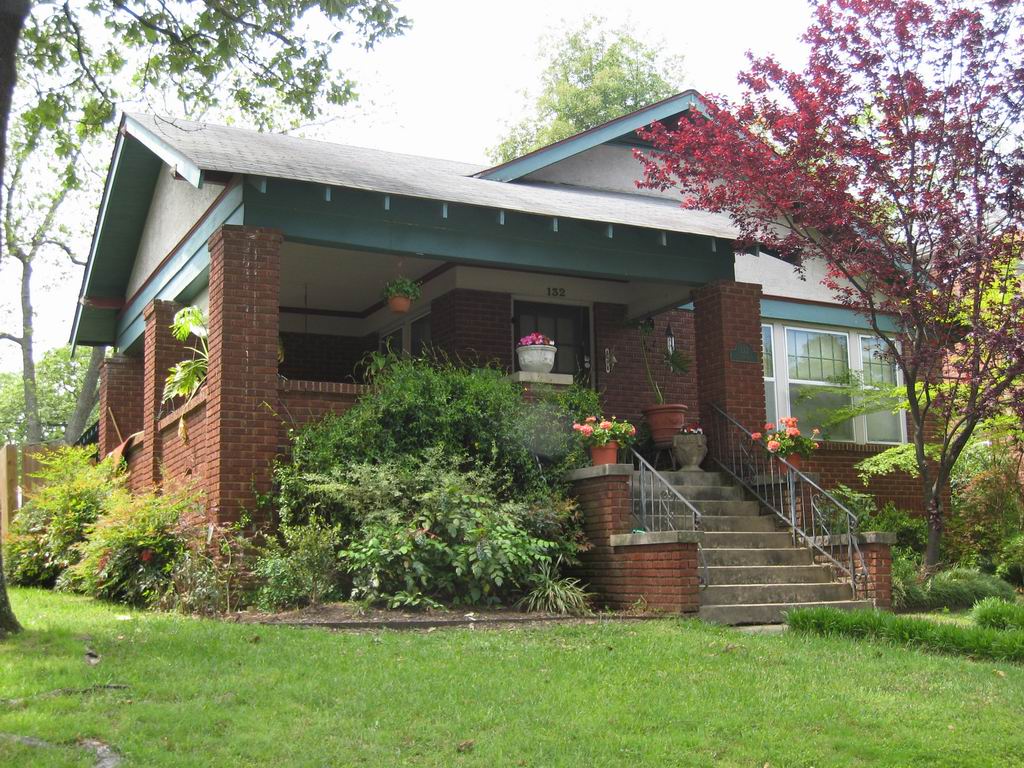
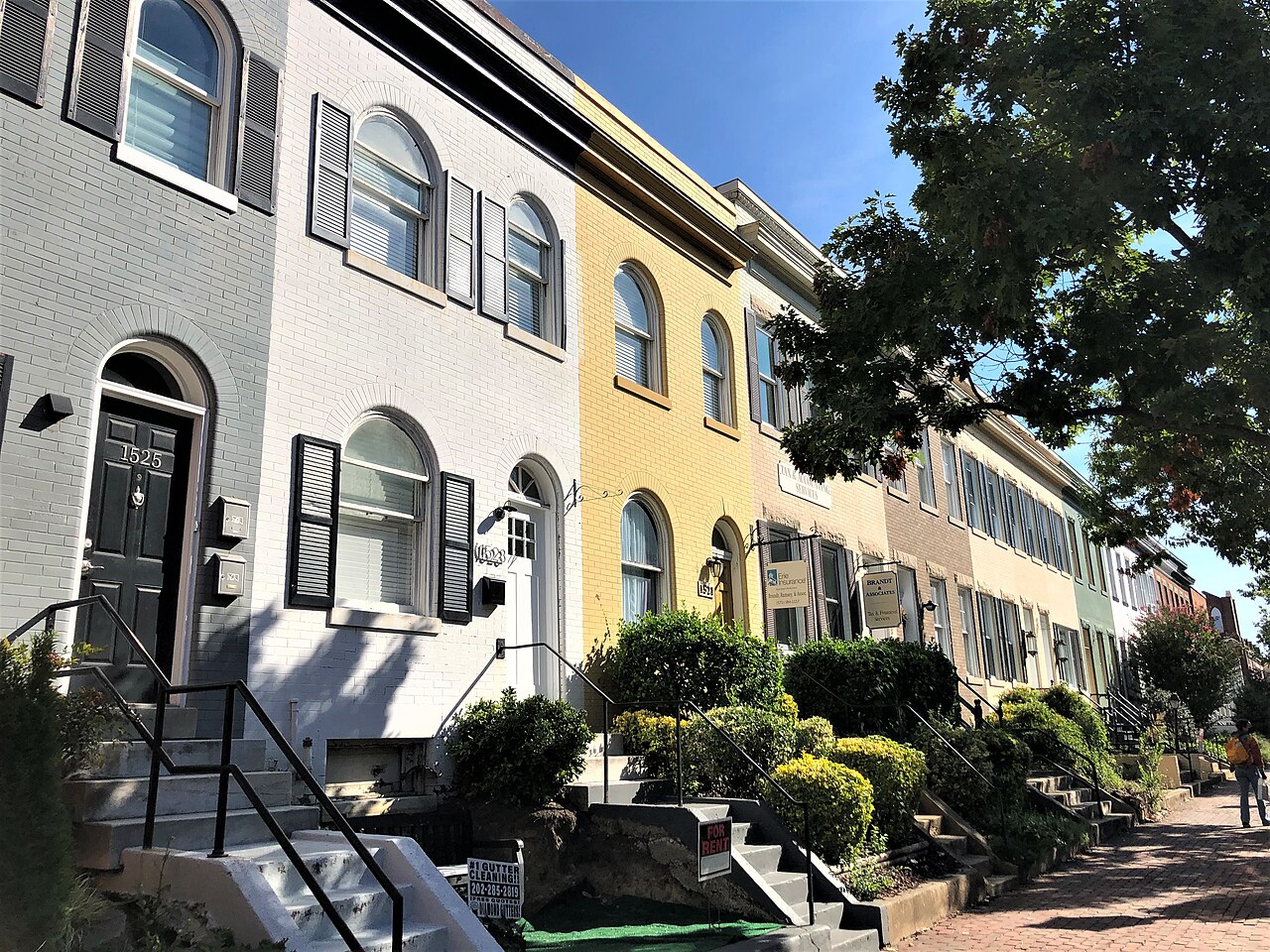
These photographs illustrate building characteristics only. They are not a comparable-sale set, current listings or evidence of value.
The illustration below assumes a chosen loan-to-value ratio stays fixed and is applied to the lower of purchase price or appraised value. Fannie Mae describes that lower-of basis in its purchase-money LTV mortgage-insurance guidance. [VAL353-5] Your lender may structure financing differently; FHA, VA, USDA, second loans, assistance and appraisal alternatives are not modelled.
Invented example / 80% assumed LTV
$500,000 price · $480,000 appraisalAt 80% of price, the baseline loan would be $400,000 and purchase funds $100,000. At 80% of $480,000, the illustrated loan becomes $384,000 and purchase funds $116,000. The price-value gap is $20,000, while the added purchase funds are $16,000 under this constant-LTV assumption. Fees and reserves are separate.
The static example remains available without JavaScript. The tool processes entries in this page only; it does not save or send them. It does not calculate mortgage payments, underwriting limits, insurance, assistance, tax adjustments or a binding Closing Disclosure. Recheck financing and ongoing affordability separately.
Keep the property identity, comparable evidence and condition questions together. Set an affordable price and cash ceiling independently of the maximum preapproval. Include unpaid closing costs, reserves and any unconfirmed broker-payment obligation in the separate budget.
Discuss the price, deposit, financing, inspection and appraisal provisions, included items, closing date and possession. Ask the agent and legal professional who must give each notice, by which method and by what exact date and time.
CFPB encourages planning financing and satisfactory-inspection conditions. For new construction, it also advises asking when a builder deposit is returnable. [VAL353-8] The effect of a condition depends on the actual contract, applicable law, notices and deadlines. Do not assume every low appraisal produces an automatic exit or every deposit is refundable.
Use a local professional to review the current form and required disclosures. The following are preparation questions, not a state-by-state legal timetable:
Review representation and service agreements → · Choose the regional guide →
Download comparable-evidence worksheet (CSV) ↗
Download offer decision checklist (CSV) ↗
Original blank question worksheets. Neither is a CMA report, appraisal, offer form or legal instrument. No personal financial records are requested by DLG.
The sources distinguish federal consumer education, Fannie Mae programme guidance and trade-association education. They do not establish the terms of an individual MA, VA or GA contract. Historical publication dates remain identified in the review notes.
VAL353-1 · checked 26 October 2026
Independent opinion of value; receiving appraisal and valuation copies.
Open source ↗VAL353-2 · checked 26 October 2026
CMA and the role of sold, pending and active comparables.
Open source ↗VAL353-3 · checked 26 October 2026
Physical/legal similarity and market area; Fannie Mae assignment context.
Open source ↗VAL353-4 · checked 26 October 2026
Market-supported adjustments and concession analysis.
Open source ↗VAL353-5 · checked 26 October 2026
Lower-of-price-or-appraised-value basis in this purchase-money LTV context.
Open source ↗VAL353-6 · checked 26 October 2026
Get the report, discuss price and review contract options.
Open source ↗VAL353-7 · checked 26 October 2026
Borrower evidence of factual error, unsuitable comparables or bias.
Open source ↗VAL353-8 · checked 26 October 2026
Budget, representation, financing and inspection conditions; builder deposits.
Open source ↗VAL353-9 · checked 26 October 2026
Inspection differs from appraisal; repair and financing complications.
Open source ↗VAL353-10 · checked 26 October 2026
Offer, contingencies and earnest-money orientation.
Open source ↗