
Solar & Home Energy · Educational reading
Solar, Storage and Smart Controls: Separate the Decisions
DLG editorial research. Use the dated sources and stated scope below.
A better-performing home starts with a clearer brief.
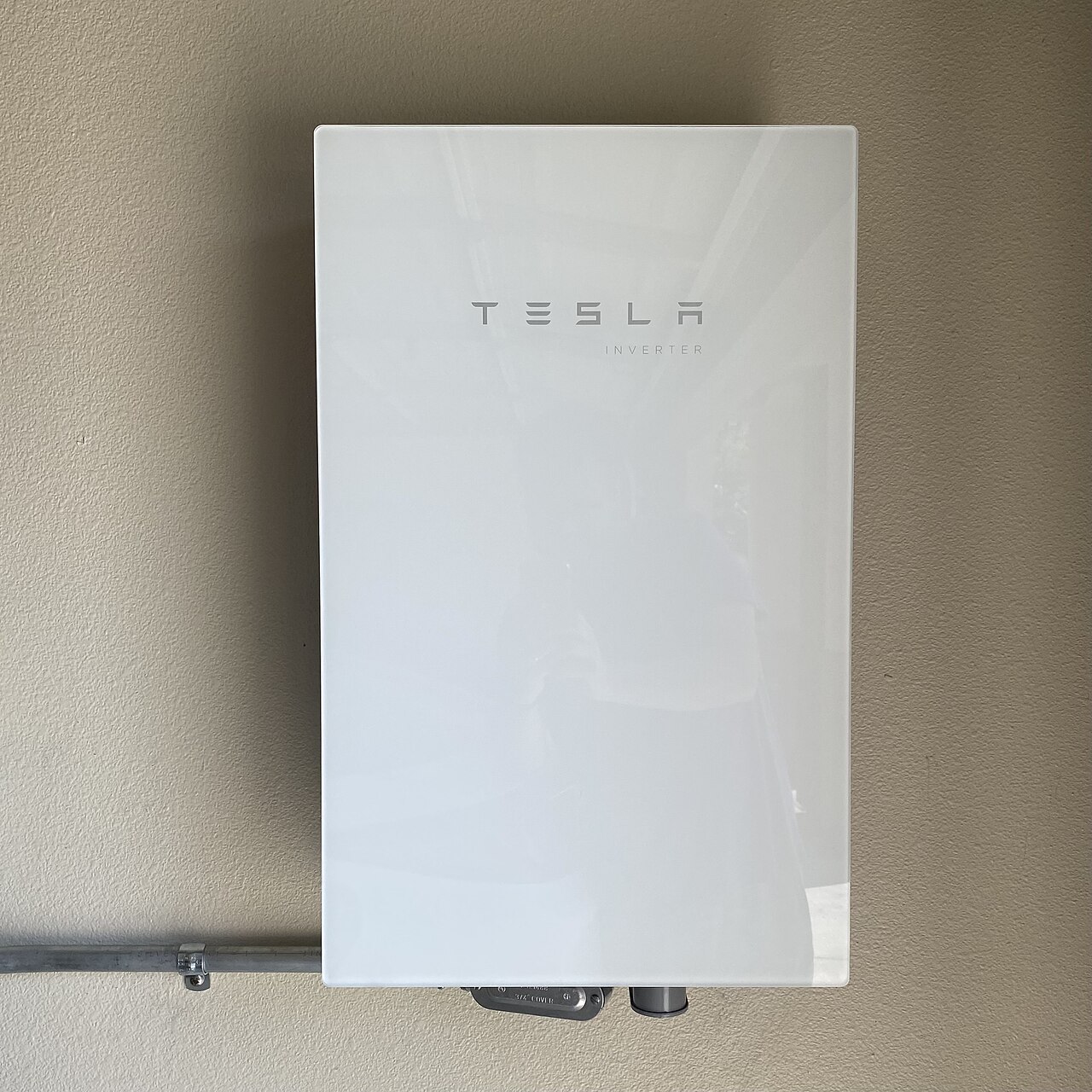

A proposal may bring solar, storage and connected controls into the same conversation. Before comparing packages, define what each part is expected to do.
DLG perspective: begin with the building. Record the available roof information, planned changes and questions that need professional assessment. If renovation is being considered, give the relevant providers the same description of the intended work.
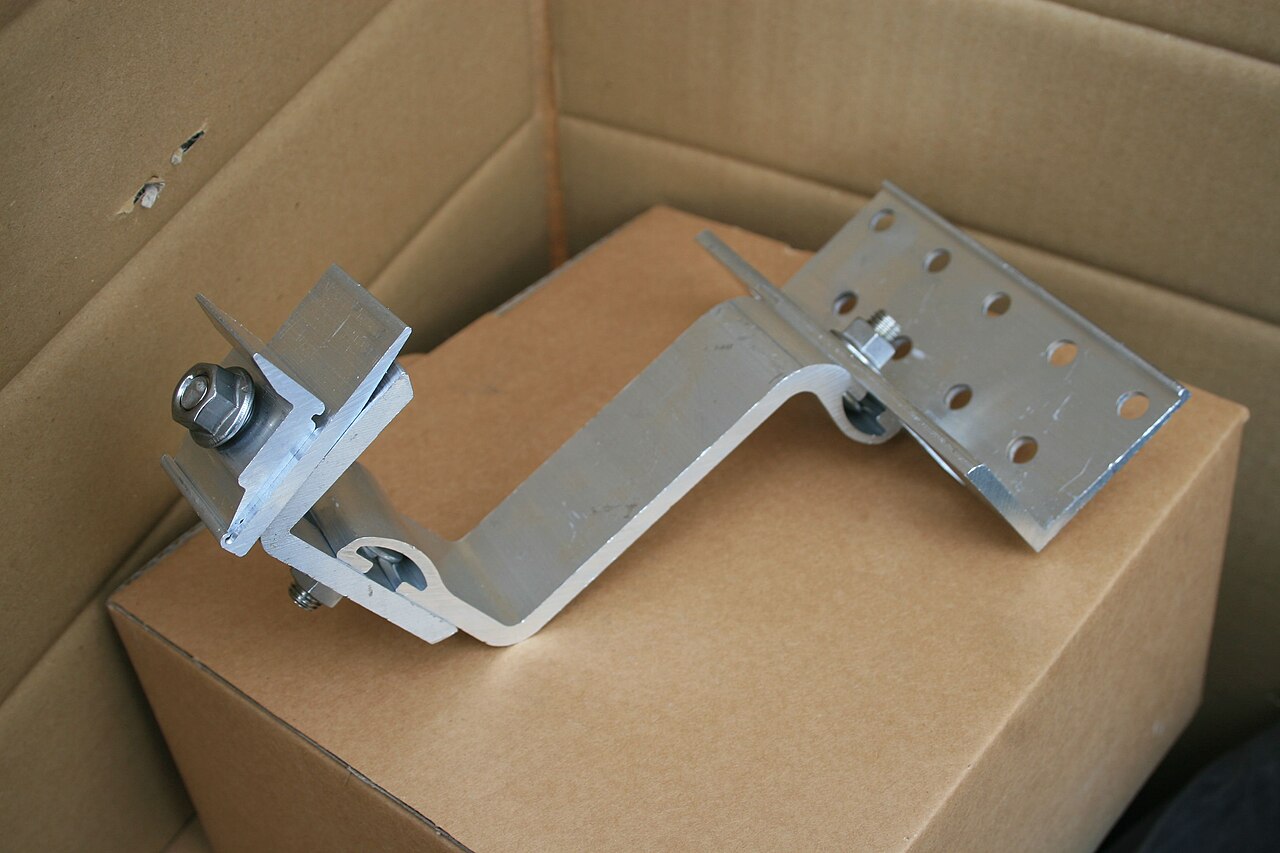
What to ask: which exact mounting components are proposed, and who confirms their suitability for this roof?Photo: Stefan Thiesen · Wikimedia Commons · CC BY-SA 3.0. No DLG image edits. Source and license checked October 16, 2026.

Next, clarify energy use. Separate measured consumption from future expectations. An anticipated vehicle, equipment change or altered use of the home is an assumption until it has a documented basis.
Generation, bill estimates and outage continuity deserve separate questions. Ask what supports each claim, which conditions are assumed and what remains unverified. An attractive headline does not explain every function of a proposed system.
Ownership and responsibilities also belong in the brief. Identify the contracting entity, the proposed agreement, maintenance obligations and who manages the relevant approvals. Use the authority and utility for the actual address rather than a process described for a wider region.
Connected controls add another layer. Ask about exact compatibility, subscriptions, account ownership and what remains usable without an internet or cloud connection. Keep access credentials outside ordinary project records.
Finally, consider handover. The owner should receive understandable documentation of the proposed equipment, responsibilities and routine operation. Record who explains its limits and who provides follow-up.
A useful brief does not choose a product in advance. It makes the building, energy and ownership questions visible before commitments are made.
Educational inquiry framework only; not system design, a savings forecast, financing advice or an installation offer.
Related reading
Explore the details
Work through quantities, interfaces, operating limits and the evidence to request in a proposal.