
Solar & Home Energy · Educational reading
Solar Starts with the Home
Start with the building, energy use and responsibilities. Generation, bill savings and backup power need separate questions.
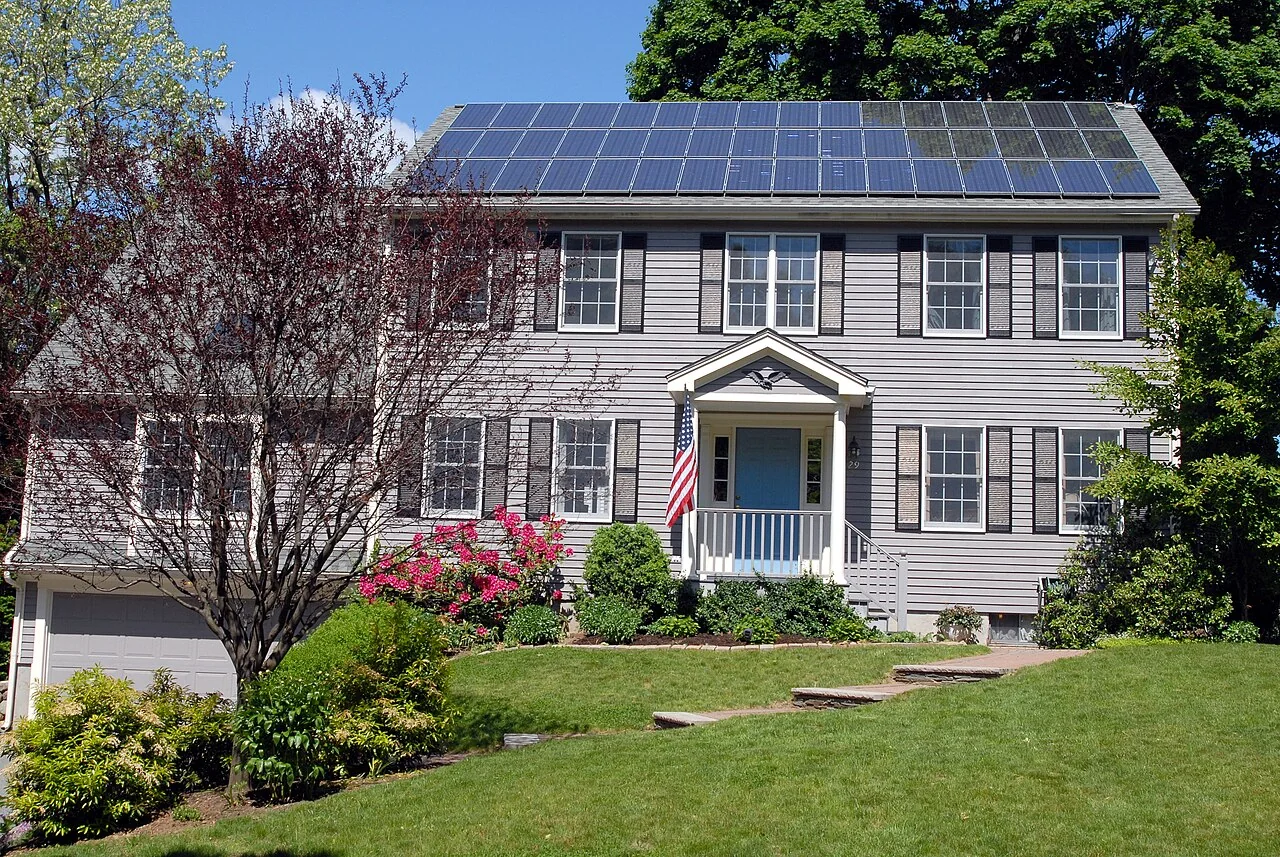
Before comparing panels, understand the roof, the energy needs and the responsibilities.
DOE's solar guidance identifies roof suitability, household electricity demand and local utility conditions as relevant questions. An estimate depends on assumptions about the building, system and electricity use. [E1]
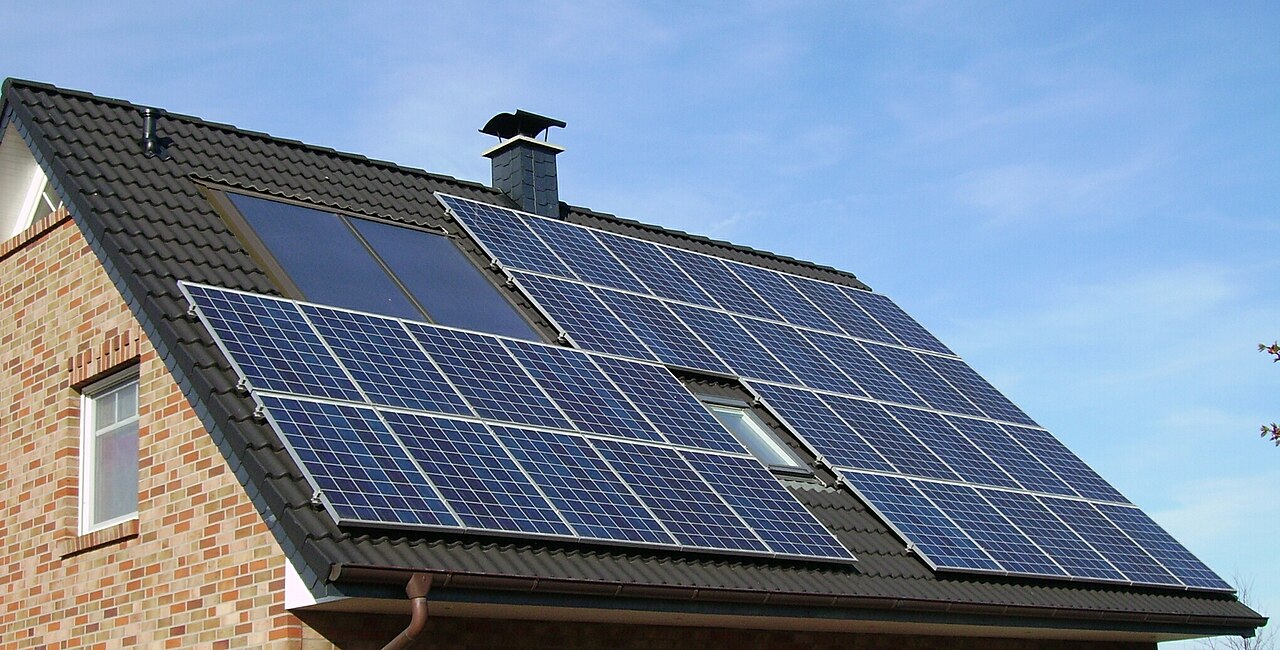


DLG perspective: arrange the discussion around three records. The building record identifies roof condition, shading questions and professional assessments. The energy record describes consumption and intended changes. The responsibility record identifies ownership, maintenance, warranties and the agreement being proposed.
Ask the provider to state the assumptions behind its estimate and what remains unverified. If the home already has solar, request the actual ownership and contract documents for review; visible equipment does not explain the obligations attached to it.
Treat system generation, bill savings and backup capability as separate questions. Request a specific explanation of any storage or outage proposal rather than assuming solar automatically provides backup power.
No incentive, payback, installer, product price or resale premium is quoted here. Those details require current, local and proposal-specific verification.
Educational questions only; not installation design or financing advice.
Source register
The complete guide-set source register follows; inline IDs in the text identify the sources relevant to this article.
- M1 — National mortgage benchmark methodology, not individual quotes
- M2 — Loan Estimate fields and comparison questions
- B1 — Financing preparation before choosing a home
- I1 — Asking-rent index methodology
- R1 — Pre-1978 renovation lead-risk consumer guidance
- P1 — Consumer contractor selection and written proposals
- E1 — General roof, demand and utility considerations
- S1 — Consumer IoT cybersecurity framework
Source review: 9 October 2026.
Continue reading
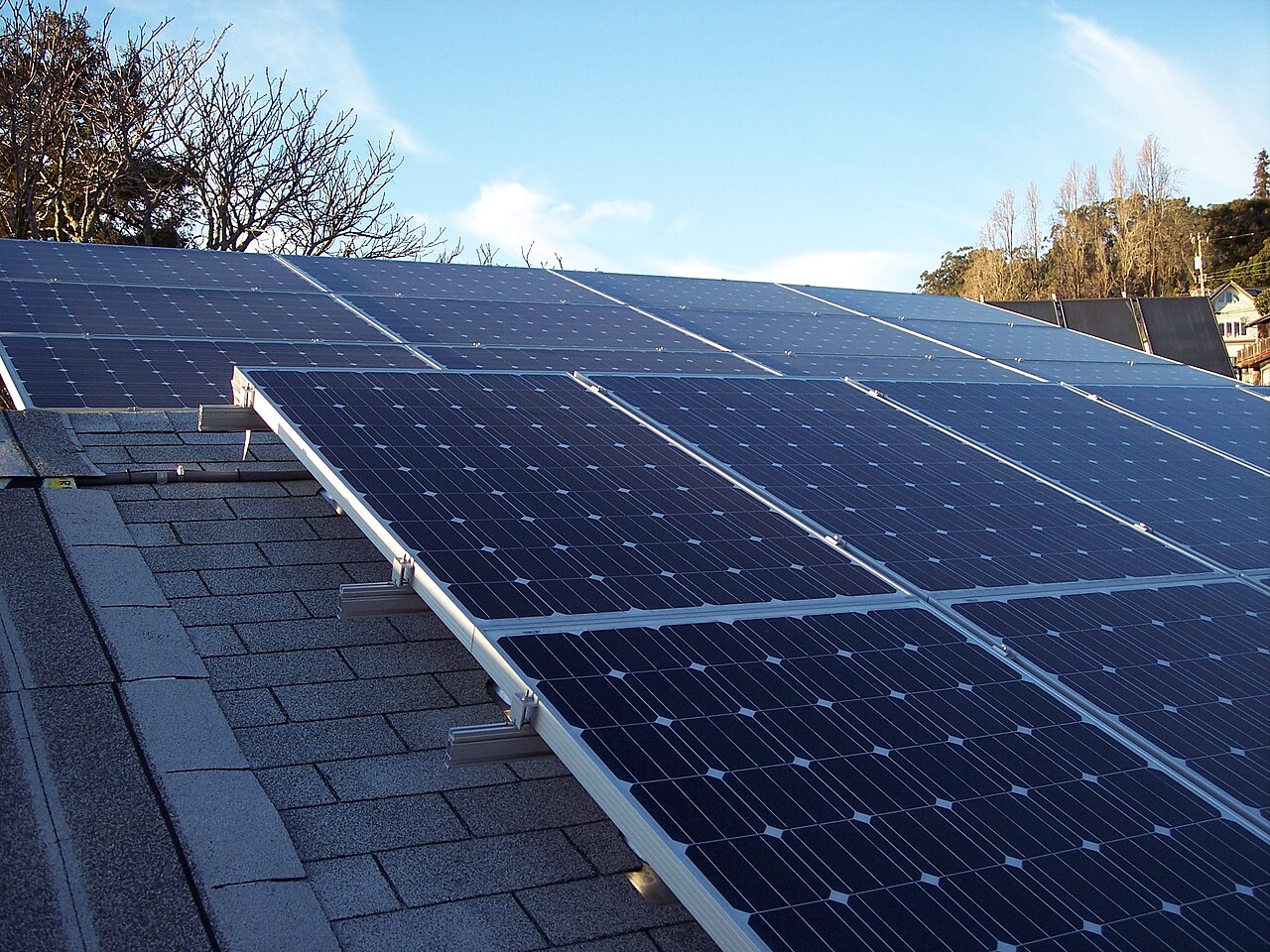
What to ask: how does the proposal address the existing roof, the mounting system and responsibility for roof-related work?Photo: Alfred Twu · Wikimedia Commons · CC0 1.0. No DLG image edits. Source and license checked October 16, 2026.


A simplified PV-to-inverter-to-home example. Storage and grid interaction depend on the actual system; this is not a wiring diagram.Original DLG explanatory drawing. Source context: official reading. Checked October 15, 2026.
Photovoltaic modules generate electricity; an inverter converts DC electricity to AC for household use. Storage and interaction with the grid are separate, system-specific decisions. Protection, metering and backup controls are not shown. A battery alone does not establish whole-home backup capability. This is a conceptual energy path, not a wiring design.
Earlier simplified diagram study
Explore the details
Work through quantities, interfaces, operating limits and the evidence to request in a proposal.