01 / Keep & repair
Leave sound components in place when they fit the new layout. Price the repair and protection separately.

DLG Insights / Renovation planning
Before pricing a full tear-out, walk the room with your contractor. Decide what stays in place, what comes out intact, and what needs to be replaced.
Leave sound components in place when they fit the new layout. Price the repair and protection separately.
Identify parts that can be removed intact. Agree on who protects and stores them, where they go, and who confirms fit before reinstallation.
Replace parts that are damaged, incompatible or unsuitable to retain. Confirm what the receiving facility accepts before assuming a material is recyclable.
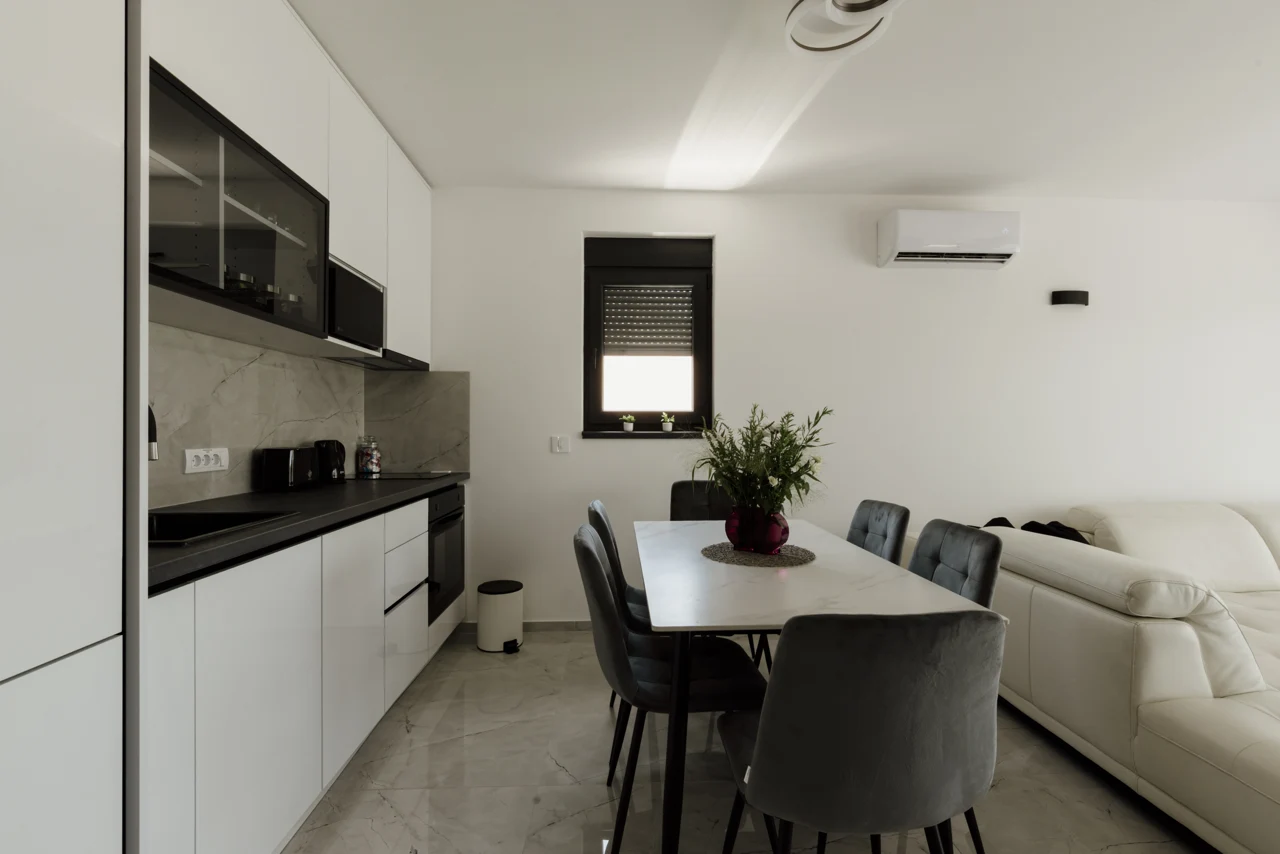
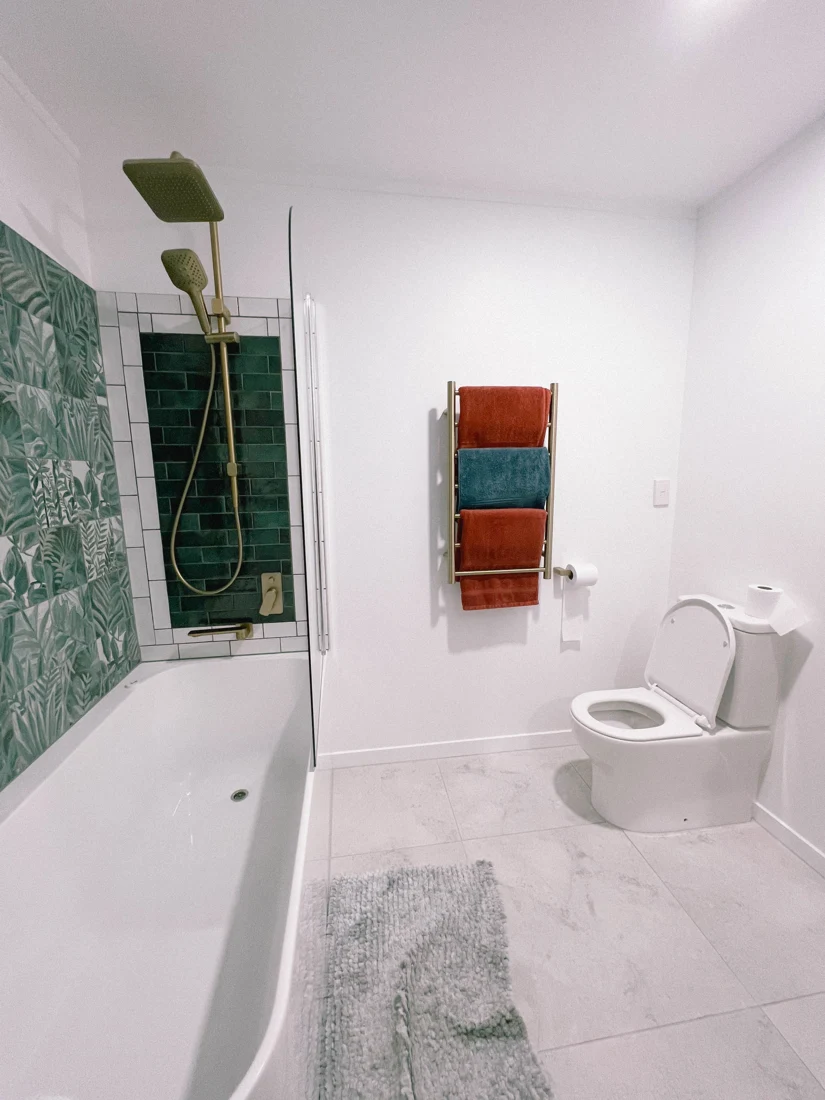
These are reference photos; the actual condition and feasibility of reuse require an on-site assessment.
Record the item, quantity, location and condition before asking for prices. Example scope lines:
| Item | Base quote | Price separately |
|---|---|---|
| Kitchen cabinet boxes | Retain and protect sound boxes; price hinge repair. | Replacement per affected box if inspection finds damage. Require approval before proceeding. |
| Bathroom vanity | Carefully remove, label and store for reuse, subject to fit and condition. | Reinstallation and connections; replacement if reuse is not feasible. |
| Shower wall | State whether assessment, removal and restoration are included. | Concealed damage and waterproofing work, with a written change approval before closing the wall. |
Ask both contractors to show labor, materials, storage, hauling and disposal separately where relevant. Compare the same base scope and alternatives, then record who owns salvaged items and who pays if reuse fails. Open the quote comparison worksheet.
Before disturbing painted surfaces in a pre-1978 home, ask a qualified contractor whether EPA or an authorized state’s lead-safe renovation requirements apply. If you suspect asbestos, leave the material undisturbed and seek qualified assessment. Put any necessary assessment in the scope before demolition.
If the crew finds moisture damage or a condition that changes the agreed scope, ask for photos and a written change description before approving the next step.